MARKETING FOR RETREATS
Fill Every Spot with Ease
Stop the launch-cycle burnout.
Combine high-end wellness retreat marketing with systems to turn inquiries into confirmed bookings while you focus on facilitating.
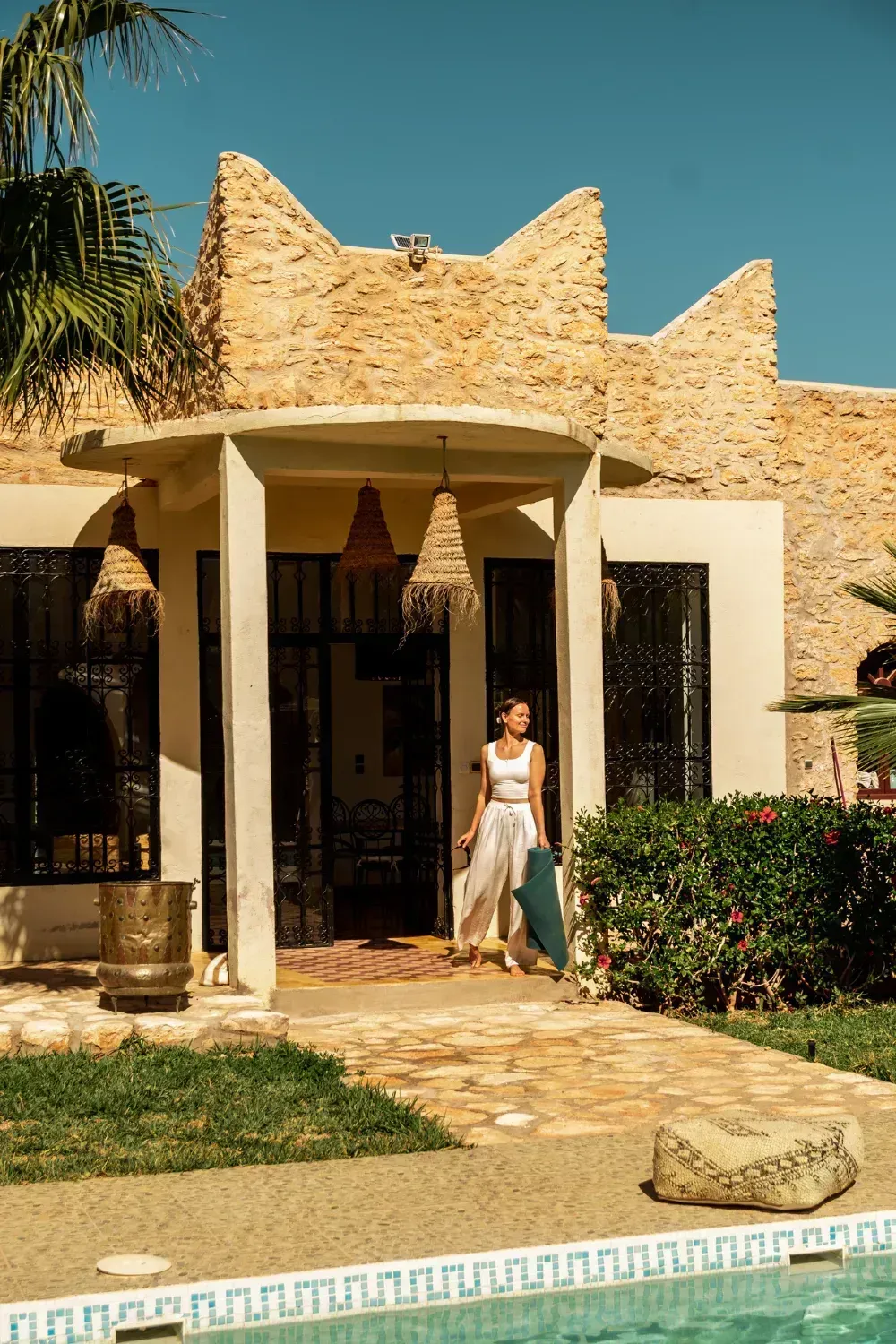
Written by: Sini Hietaharju, Retreat Marketing Strategist & Founder of SINI STUDIO
Scaling in a $1.3 Trillion Wellness Economy
Retreats aren’t anymore some small, alternative way of traveling for spiritual people, but we are talking about $1.3 Trillion wellness economy. Wellness tourism market is annually growing by 20%, which is higher than standard tourism.
Growing market is great to be in, but it also means high competition. Simply turning on paid ads won’t cut it anymore for marketing retreats in 2026, but you need a marketing strategy to stand out from the crowd.
Comprehensive Marketing Strategy for Retreats
Although retreat marketing slightly differs from any marketing, I will tell you the marketing process, regardless of the product.
This 4-step system is what is required to build sales on any business.
Over the decades this process framework has been given different names, but I call this SINI STUDIO System as it is applied to marketing for retreats.
It consists of the following 4 S’s:
THE SINI STUDIO SYSTEM
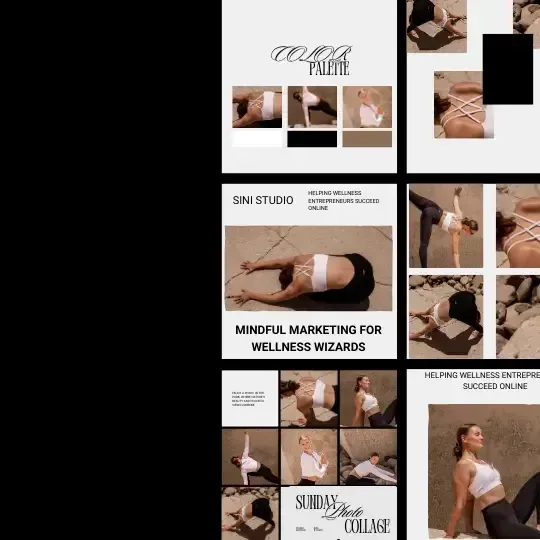
SOLID SETUP
A proven framework to establish a successful wellness business from day 1.
We get crystal clear on your "why," your audience, and your messaging, so every action forward has purpose.
Done-for-you technical solutions to get started with your online presence.
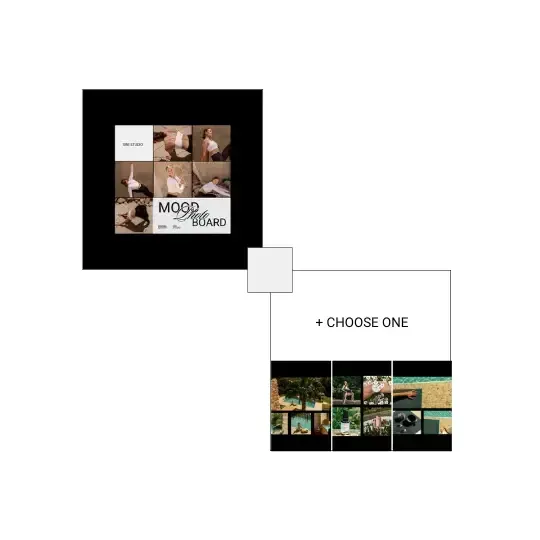
SEEN
Clear, actionable methods to get your brand and services seen by your ideal customer personas.
From juggling between endless marketing channels and social medias into consistent framework that brings leads consistently.
SOLD
Knowing exactly the actions to convert your offers and valuable content into paying customers.
Setting up your offers in a psychologically logical way to change your service from “nice-to-have” into “must-get” for your ideal client.
SCALED
Doubling down on what works with optimization and automation for long-term success.
Which marketing channels are the best for marketing a retreat?
First, define how long you have before the retreat as that determines which channels are viable.
Some channels (e.g., SEO) are goldmines but work long‑term. Others (e.g., paid ads) deliver fast but require budget.
Use the table below to choose the right mix.
| Channel | Costs | Value | Time Frame | Content Type | Other Considerations |
|---|---|---|---|---|---|
| SEO (Organic Search) | Low (time & tools like Ahrefs, but no ad spend) | High – consistent, passive traffic that grows over time. Ideal for filling retreats 6–12 months out. | 3–12 months to see rankings; best for long‑term retreat brands | Blog posts (destination guides, retreat benefits), FAQ pages, testimonials, photo galleries | Requires patience and basic technical knowledge. Once ranked, yields traffic for years. |
| Instagram (Organic) | Low (time to create Reels/carousels, no direct ad cost) | Medium – builds trust and desire, but algorithm limits reach. Best for community building and re‑engaging past guests. | 2–6 months to grow engaged followers; posts can go viral quickly (1–2 weeks) | Short videos (Reels), carousels (tip lists, guest stories), Stories, behind‑the‑scenes | High effort for uncertain reach. Use your shotlist + caption templates from my kit to post consistently. |
| Instagram / Meta Ads | Medium to High (€10–50/day minimum; typical CPA €20–60 per booking) | High – targeted reach; can fill last‑minute spots fast. Best for retargeting past engagers. | Immediate to 4 weeks – set up campaign, see results within days | Same as organic, but with strong hook + CTA; ad creative must stand out in feed | Requires testing (images, audiences). Turn off if CPA too high. Great for shoulder‑season fills. |
| Email Marketing | Low (email platform cost; time to write sequences) | Very High – highest ROI for existing list. Past guests convert at 5–15%. | 2–8 weeks to nurture warm leads; can sell out a retreat in 2 weeks with a good sequence | Educational emails, testimonials, limited‑time offers, countdowns | Works best with a list of 200+ past inquirers. Combine with lead magnet to grow list. |
| Low (time to design pins, no ad spend) | Medium to High – evergreen traffic if pins rank on search. Ideal for wellness / travel niches. | 3–6 months for pins to mature; traffic can last years | Vertical graphics (2:3 ratio), infographics, blog post links, shotlist summaries | Great for visual niches (yoga, nature, wellness). Use keywords in pin titles/descriptions. | |
| Collaborations / Influencers | Low to Medium (free product + commission or flat fee €100–500) | Medium – trust transfer from influencer to their audience. Best for smaller, niche creators. | 2–6 weeks (negotiation, content creation, posting) | Instagram Reels, Stories, blog post, newsletter mention | Vet for authentic engagement, not just follower count. Offer exchange (free spot) + affiliate. |
| Partnerships (cross‑promotion) | Low (time to reach out) | Medium – access to complementary audiences (e.g., yoga studios, wellness shops, other retreats). | 2–4 weeks to set up email swap or social mention | Email co‑promotion, Instagram Live, giveaway | Build genuine relationships. Offer value first (e.g., free resource, commission). |
| Google Ads (Search) | Medium to High (€5–20 per click; typical cost per booking €100–300) | High – captures active searchers (“yoga retreat Spain March”). Best when you have high‑converting landing page. | Immediate – set up campaign within 1–2 days, traffic starts same day | Text ads, keyword‑targeted, landing page with booking form | Requires budget and testing. Works well for last‑minute spots if you bid on brand + location keywords. |
Time before Retreat – Which channel to use when?
| Time before retreat | Best channels |
|---|---|
| 6+ months | SEO, Pinterest, email list building, partnerships |
| 3–6 months | Email nurture, Instagram organic, collaborations |
| 1–3 months | Meta Ads, Google Ads, last‑minute influencer shout‑outs |
| < 1 month | Paid ads (retargeting), email blast to past guests, direct referrals |
Pro tip: Always combine 1–2 long‑term channels (SEO, Pinterest) with 1–2 short‑term channels (ads, email) to fill retreats sustainably.
What kind of Content is Required to Sell a Retreat in 2026?
Now you know which channels to use for your retreat.
In this chapter, I explain what kind of content works for each channel and how to efficiently start building a content system that serves for years.
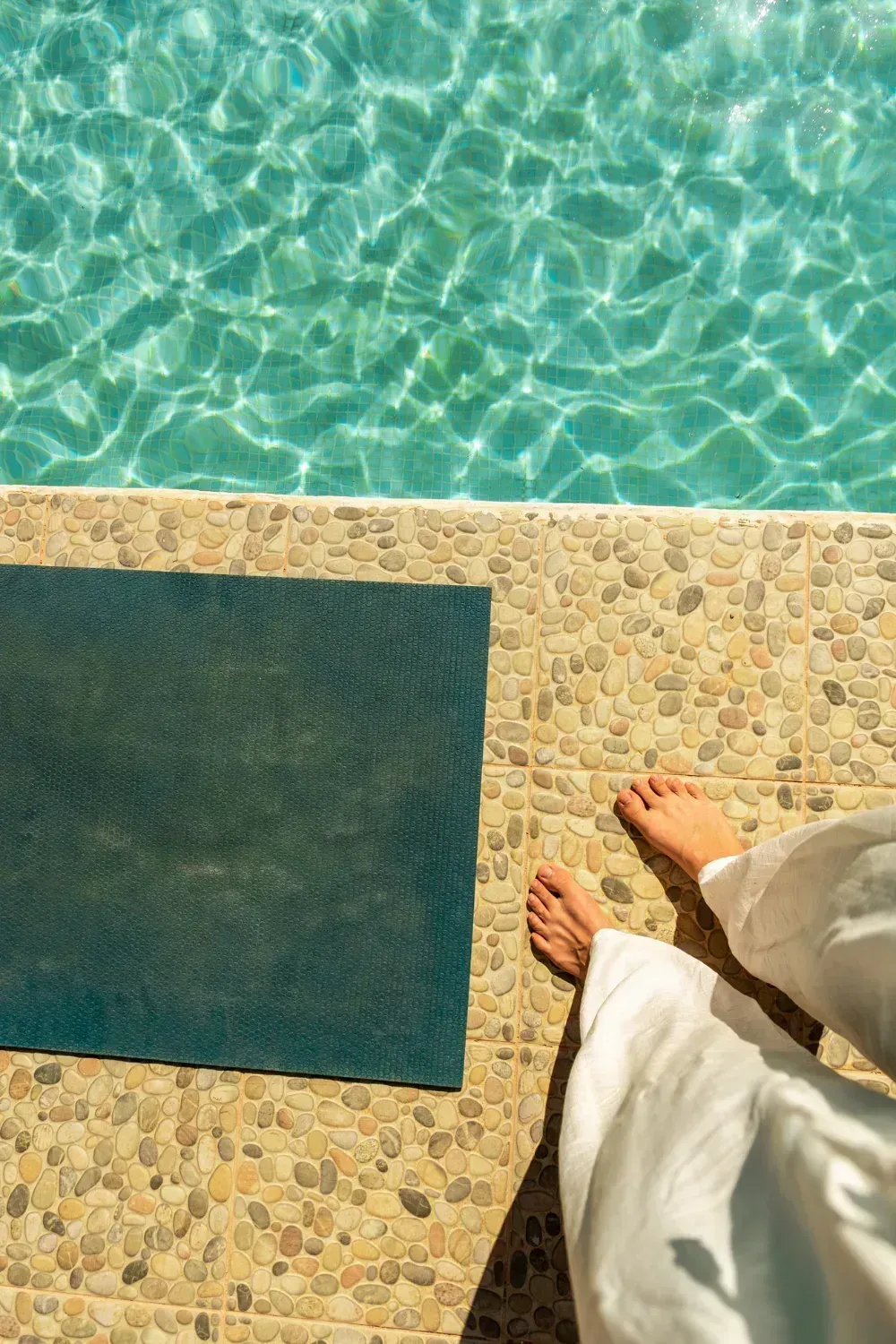
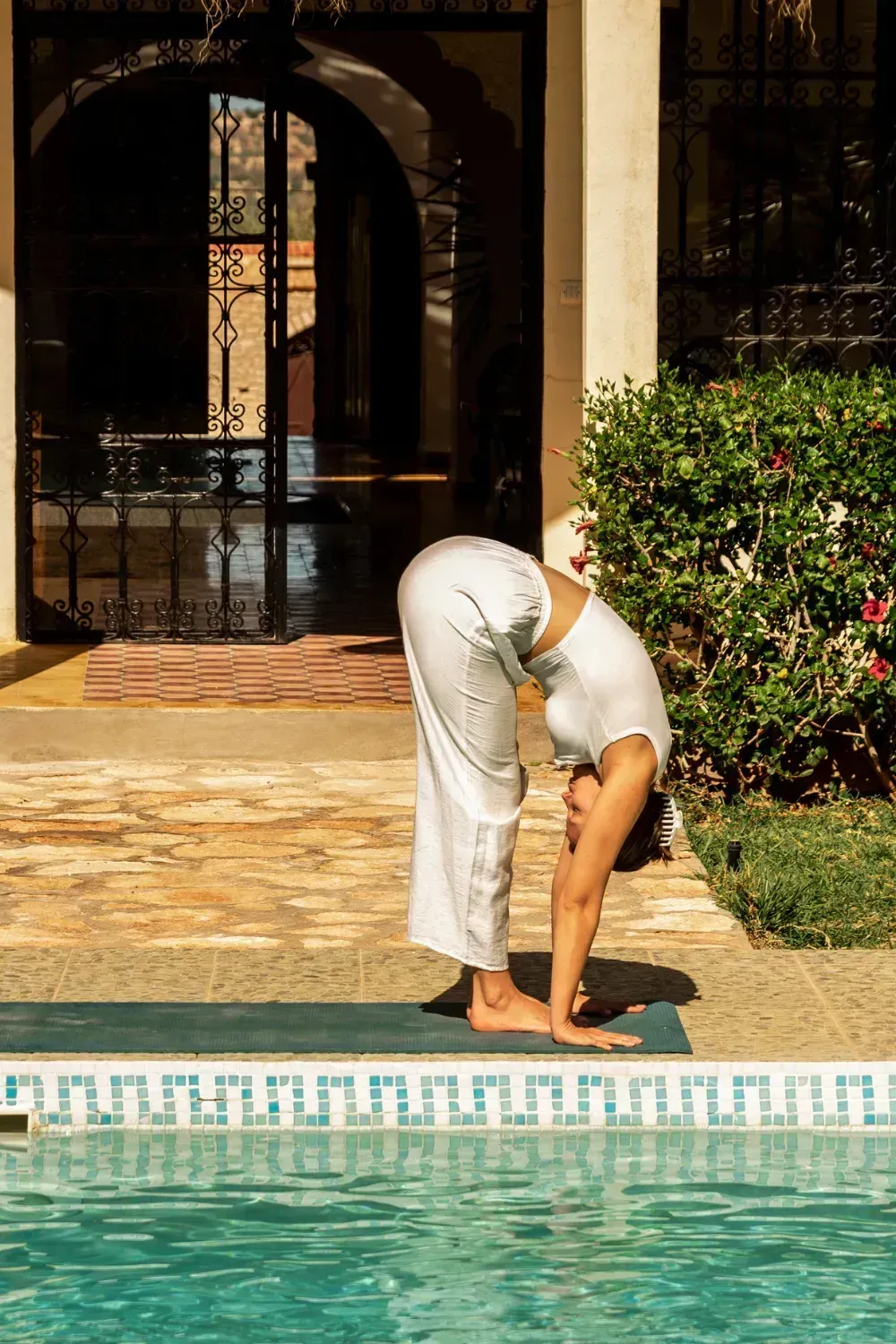
Retreat seekers are nowadays more into authentic, real content that they can relate to instead of polished ads with empty rooms, or worse, AI or stock photography.
Below is a breakdown of what content to create for each major channel – plus a simple content system that lets you create once and reuse for years.
1. SEO (Organic Search) – Long‑form, evergreen, educational
Content types to create for search engine optimization to sell a retreat:
Yoga Retreat in [country, location]
Destination guides (“Why [Location] is perfect for a yoga retreat”)
Retreat‑specific articles (“What to pack for a silent retreat”)
FAQ pages and sections that answer directly to the questions your ICP has (“Is a tantra retreat right for me?”)
Testimonial stories (written as case studies)
Photo galleries with alt texts
Yoga Retreat in [country, location]
Destination guides (“Why [Location] is perfect for a yoga retreat”)
Retreat‑specific articles (“What to pack for a silent retreat”)
FAQ pages and sections that answer directly to the questions your ICP has (“Is a tantra retreat right for me?”)
Testimonial stories (written as case studies)
Photo galleries with alt texts
Why it works in 2026:
Google still rewards helpful, original content. Retreat buyers often search months in advance. A well‑optimised blog post can send you qualified leads for years.
How to be efficient:
Start with defining the main topic (and keywords) for your Home page and main sales pages. Optimize these and start building supporting blog articles around them.
By having an SEO Content Strategy, you build once helpful, valuable and highly relevant content about your retreat and it will gain you authority and trust on your expertise long-term.
Avoid blogging about random topics here and there, like how to meditate or how to make ghee, but rather have a topic you want to cover fully, and build a cluster of articles around that.
If you need help to get started, read more about SEO for wellness and yoga
Or directly book a free consultation with me and I show you for free how to get started with your SEO for retreat.
2. Instagram – Visual, fast, emotional
Content types to sell retreats on Instagram:
Reels (15–30 sec): Morning routine, guest testimonial clip, “day in the life” at retreat, before/after transformation
Carousels: “5 signs you need a retreat”, “What to expect – day by day”, shotlist teaser, packing guide
Single images: High‑quality guest photos (laughing, meditating, eating together)
Stories: Polls, Q&A, countdown to next retreat, behind‑the‑scenes of setup
What no longer works:
Stock photos, overly polished videos, constant sales posts without value.
Pro tip: Use the Retreat shotlist + caption templates to post consistently for 2–3 weeks after each retreat.
3. Email Marketing – Personal, value‑packed, conversion‑focused
The best content types for retreat sales newsletter:
Welcome sequence (for new subscribers): 3 emails – who you are, what you offer, a free resource
Nurture sequence (weekly): One tip, one guest story, one gentle invitation
Retreat launch sequence (2–3 weeks before booking opens): Problem → solution → testimonials → urgency
Post‑retreat follow‑up: Thank you, request testimonial, offer next retreat discount
Why it works:
Email is a channel you own. Open rates for retreat launches (20–40%) are far higher than social media reach.
Efficiency hack:
Write one good retreat launch email sequence. Use it for every retreat, just swap dates and photos.
4. Pinterest – Searchable, evergreen, visual
Use these content types when marketing retreat on Pinterest:
Vertical pins (2:3 ratio) with text overlay: “10 reasons to book a wellness retreat”, “Morning yoga routine”, “Retreat packing list”
Infographics (e.g., comparison of retreat types, pricing table, sample itinerary)
Blog post pins (link back to your SEO articles)
Visual inspiration from your retreat
Why it works:
Pinterest is a visual search engine, not a social network. People plan retreats there months in advance. One pin can generate traffic for 6–12 months.
Efficiency:
Turn each blog post into 3–5 different pins (different headlines, images). Use Canva templates.
5. Paid Ads (Meta / Instagram) – Short, hook‑driven, targeted
Use these kinds of creatives on your paid ads for retreat marketing:
Reel ads (15 sec): Relatable, fast hook (“Tired of burnout?”), show retreat highlight, end with “Link in bio”
Carousel ads: 3 slides – problem, solution, testimonial + CTA
Single image ads: Your best guest photo + bold text overlay (“Last 2 spots”)
What converts in 2026:
User‑generated content (UGC) style ads – raw, real, not produced. Retarget people who visited your website or engaged with your Instagram.
Budget tip:
Start with €10/day for 5 days to test which creative gets clicks. Scale the winner.
6. Collaborations / Influencer – Authentic, trust‑based
Try these kinds of collaborations with bloggers and influencers to sell a retreat:
Instagram Reel or Story of influencer experiencing your retreat
Blog post review on their site (with backlink to you)
Co‑created live Q&A (Instagram Live or YouTube)
Affiliate content (they share a unique discount code)
What to look for in 2026:
Smaller creators with high engagement and genuine interest in wellness. One authentic post often outperforms a celebrity post.
Efficiency: Create a simple “collaboration brief” (PDF): what you offer, what they post, timeline. Reuse with different partners.
7. Personal Outreach – Direct, Trust‑Based, Zero Budget
Reach out to your personal network of people who are possibly interested in your retreat.
Message friends, former classmates, yoga students, past coaching clients, and acquaintances who have shown interest in wellness or travel. Don't "sell" – invite them to be part of something special.
Content Type: Personalised DM, email, or WhatsApp message. No fancy graphics – just honest words.
Costs: Free (just your time)
Value: High for first‑time retreats – your existing network already trusts you.
One personal message can fill 2–3 spots.
Time Frame (how long before retreat):
2–6 months – Start too early (e.g., 12 months) and people won't commit. Start too late (e.g., 1 month) and they've already made plans. Sweet spot: 3–4 months before the retreat.
Best for: First‑time retreat owners with no budget, no audience, and little time for marketing.
Considerations:
Only works if you have a genuine network (100+ contacts).
Don't spam. Personalise each message (mention something you share).
Offer a founding member discount (€100–200 off) to encourage early sign‑ups.
Ask for referrals: “If you can’t come, know anyone who might?”
How to Build a Content System That Serves for Years
The secret is to create once, repurpose everywhere.
Here’s a system you can set up in one day and use for every retreat:
| Step | Action | Example |
|---|---|---|
| 1 | At the retreat | Use the shotlist (from my kit) to capture 50–100 raw clips + photos. RETREAT SHOTLIST |
| 2 | After the retreat | Pick 10–15 best images. Edit 5 short Reels (15 sec each). |
| 3 | Publish pillar content | Write one blog post (Make this relevant to your expertise, e.g. Ayurveda/Yin Yoga/Creative Retreat etc.) 1000 words. |
| 4 | Repurpose into 7+ pieces |
- 3 Instagram carousels (tips, day‑by‑day, quotes) - 2 Reels (morning routine, guest testimonial) - 5 Pinterest pins (different headlines) - 1 email to your list - 2 Stories highlights (behind‑the‑scenes, FAQ) |
| 5 | Schedule | Spread these over 2–3 weeks. Use a free planner (Google Sheet) or scheduler. |
Result: One retreat gives you content for months – and every post drives bookings for the next one.
5 High‑Impact Marketing Ideas for Selling a Retreat
If you are ready to step into action, these are agency‑level tactics you can implement without a big budget.
Idea 1: The “Buying Data” Ad Strategy
Don’t just run ads to sell.
Run small tests (€10/day for 5 days) with different images and headlines.
Let the data tell you which messaging resonates. Then scale the winner.
You’ll learn about your audience and the type of content that you need more of.
Idea 2: Automated Waitlists
Before you open booking, create a waitlist page.
Drive traffic to it with one Instagram post and one email.
When the waitlist hits 20–30 people, open booking with a 48‑hour early access window.
Scarcity + social proof = sold out.
Idea 3: Referral Engineering
While guests are still on‑site, ask for referrals.
Say: “If you have a friend who needs this, I’ll give you both a €100 discount on the next retreat.”
Capture their reviews immediately, while the transformation is fresh.
Idea 4: Pinterest Visual SEO
Create 5–10 pins for every blog post.
Use keywords in the pin title, description, and hashtags.
Pinterest users plan retreats 3–6 months ahead – exactly your sweet spot.
Idea 5: Corporate Wellness B2B
Many companies pay for employee wellness.
Pitch your retreat as a team offsite or a burnout‑recovery programme.
Use your wellness network (yoga, coaching) to get introduced to HR decision‑makers.
What does it mean to "niche down" when marketing and selling a retreat?:
Niche down means stopping trying to sell to everyone and instead focusing on one specific type of retreat guest.
When you try to appeal to all: budget solo travellers, luxury couples, corporate groups, and spiritual seekers, your message becomes weak and generic.
In retreat marketing, niching down allows you to speak directly to the emotional drivers of your ideal guest.
And those drivers are very different depending on the retreat type.
Example: Yoga Retreat (Community‑Focused)
What matters: Teacher lineage, group vibe, shared practice, spiritual growth.
Language: Warm, inclusive, humble. Words like “journey”, “homecoming”.
Marketing tactics:
Testimonials from past participants, behind‑the‑scenes of daily practice, Instagram Lives with the teacher.
Example: Luxury Wellness Resort (Exclusivity‑Focused)
What matters: Privacy, results, high‑end amenities, personalised service.
Language: Polished, aspirational, confident. Words like “transformative”, “retreat of a lifetime”.
Marketing tactics: Professional video tours, before/after health metrics, partnerships with luxury brands.
Why niching works:
Your marketing budget goes further (you’re not wasting money on the wrong audience).
Your content resonates deeply (one guest says “this is exactly for me”).
Your conversion rates increase (people trust you understand their specific problem).
The SINI STUDIO approach:
I don’t use one-size-fits-all templates. I adapt every brand voice to match the specific energy of your offering. First, we define your niche. Then we build the marketing system around it.
Frequently Asked Questions about Marketing Retreat
Use a multi‑channel approach. Don’t rely only on Instagram. Combine SEO (long‑term), email marketing (high conversion), Pinterest (visual search), and personal outreach (trust). For last‑minute spots, add Meta or Google Ads.
6-9 months before the retreat is ideal. SEO and Pinterest need 3–8 months to gain traction. Email your list 8–10 weeks out. Start personal outreach 3–4 months before. For last‑minute openings, paid ads can work in 2‑4 weeks.
Facebook/Meta Ads are “interruptive” – you stop someone from scrolling. Good for retargeting and lookalike audiences.
Pinterest is “search‑based” – people go there actively looking for retreat ideas. Better for long‑term, lower‑cost leads.
Best answer: Use both. Pinterest for discovery (6+ months out). Meta for retargeting and last‑minute offers (1–3 months out).
Automate. Use a booking system for discovery calls. Create email sequences to answer FAQs. Set up automatic payment reminders. A well‑built funnel can handle 80% of inquiries while you sleep.
Get Started with the retreat sales with these free resources
RETREAT MARKETING ON INSTAGRAM KIT
SHOTLIST | INSTAGRAM POSTS | CAPTION STRUCTURE
Stop guessing what to capture and what to post.
Get a ready‑to‑use shotlist + 8 Instagram caption templates – so you can film once and post for weeks.
WELLNESS MARKETING STRATEGY TEMPLATE
IDEAL CUSTOMER PERSONA | KPIS | MARKETING MACHINE
THE BLUEPRINT THAT MOVES YOU FROM THEORY TO ACTION.
The tool will help you take into account everything that is essential to set up succesful marketing strategy for a wellness business.
SCHEDULE A FREE INTRO CALL
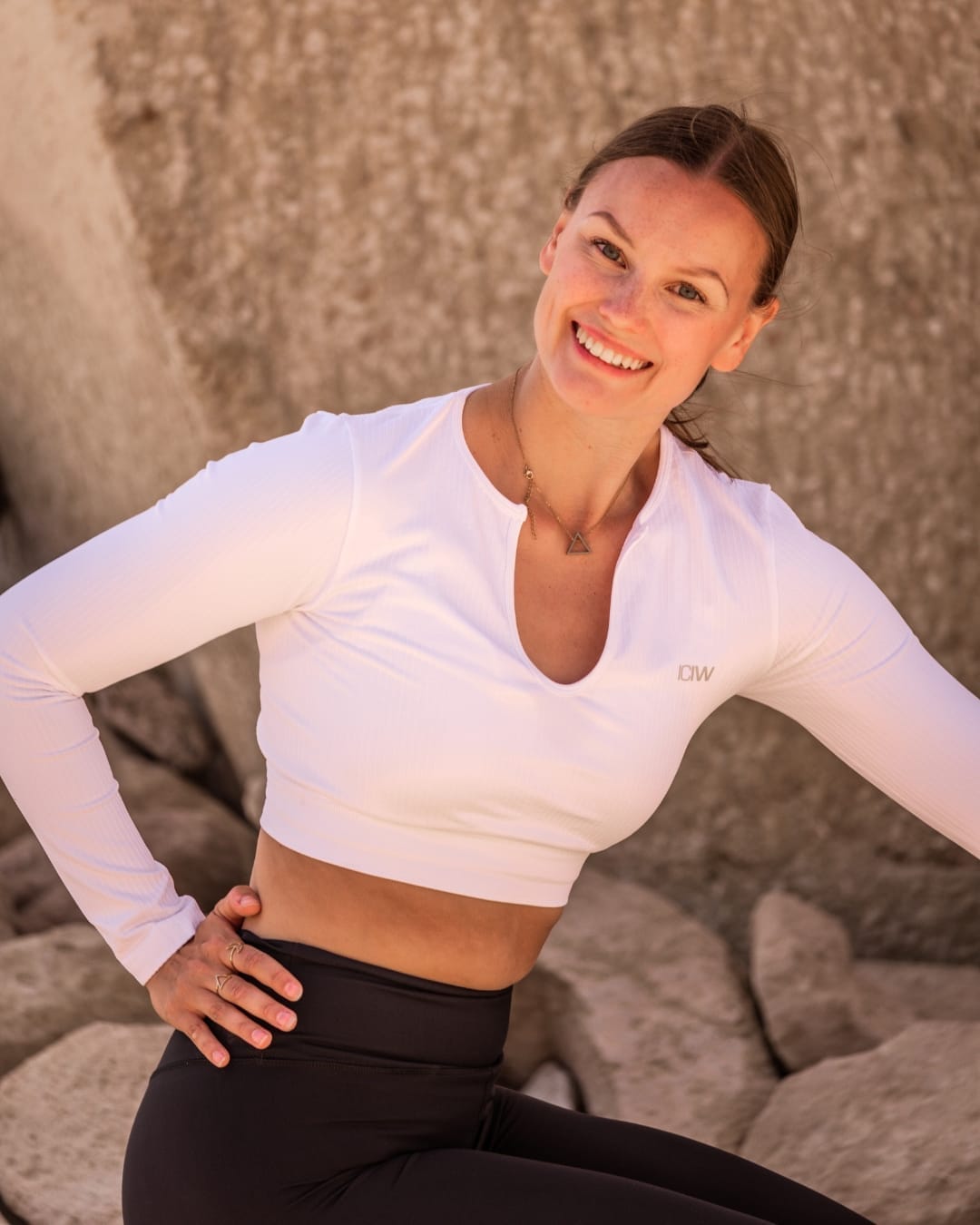
Ready to move browsers to bookers?
Let's create retreat marketing strategy that does justice to your work and fills your retreats with the right people.
Schedule a free introductory call to discuss your project and goals - no strings attached.
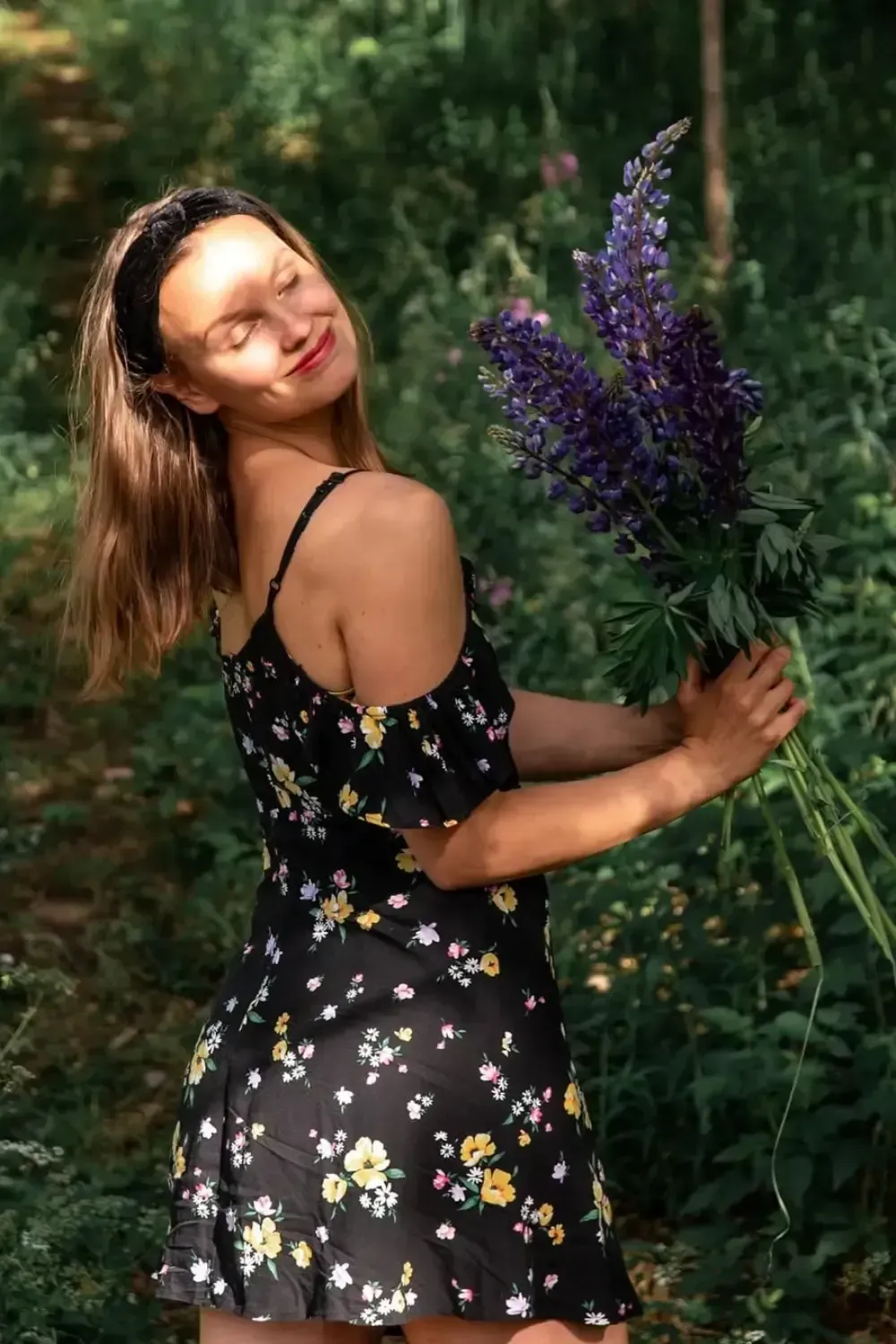
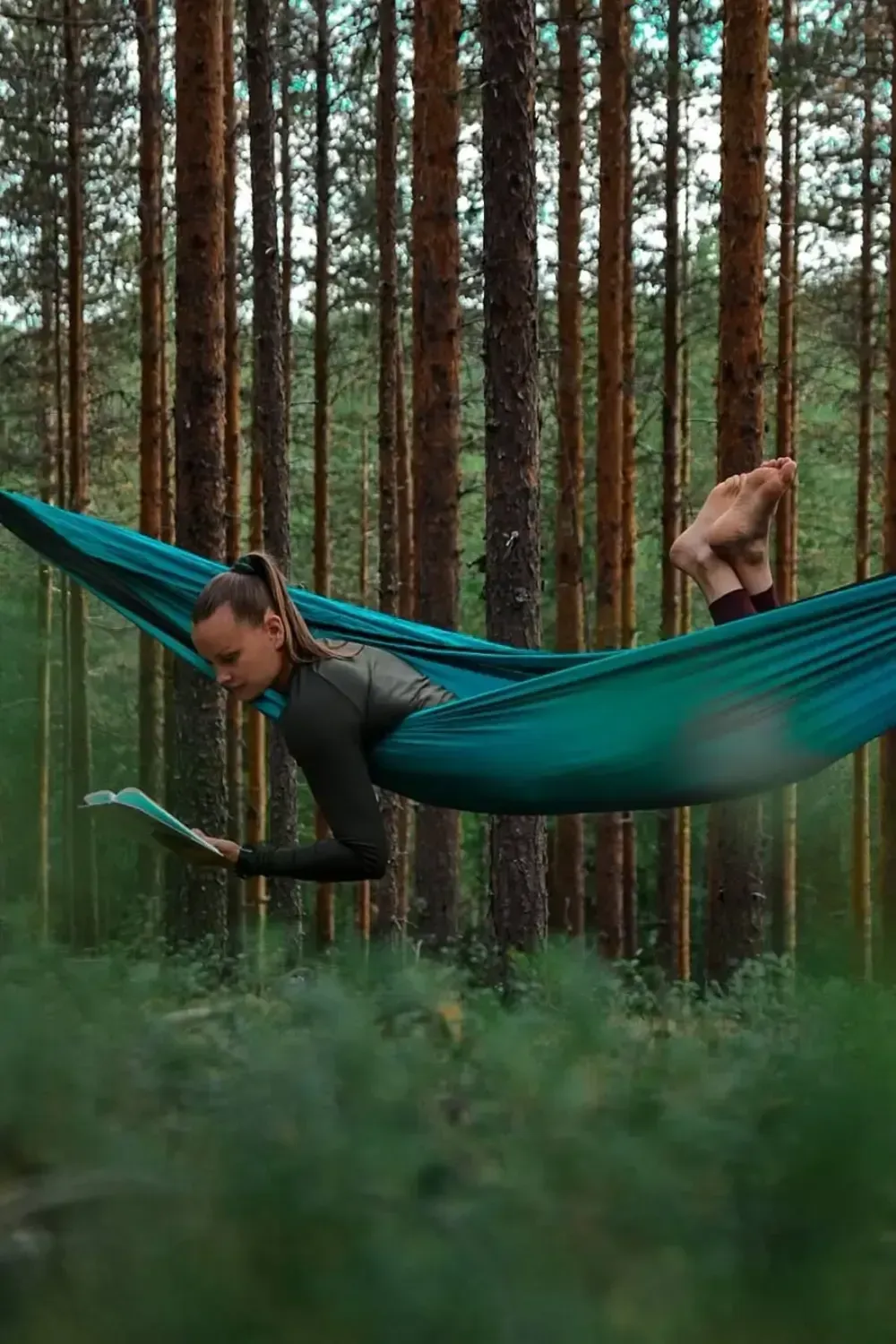
SINI HIETAHARJU
Retreat Marketing Strategist & Photographer based in Europe, available worldwide.
TIPS TO SELL RELAXATION AND MEMORIES
WELLNESS TRAVEL MARKETING THAT TELLS AND SELLS